

Impact Resistant & Scratch Test
Hardide coatings are deposited as a uniform, crack-free coating that is tough and ductile enabling it to survive impact and shock loads.
In many cases the Hardide coating matches the impact resistance of the coated metal. Under impact, it will deform with the substrate and will not chip or flake. The Hardide coating will not crack until the substrate reaches its yield point and even then, it remains bonded to the surface.
Brittleness and poor impact resistance are among the characteristics of traditional WC/Co hardmetals, with HVOF WC/Co coatings also known to crack and spall under high load and high cyclic fatigue conditions. These drawbacks restrict the use of cemented carbides and spray coatings on tools and wear parts operating in conditions where shock loads and impact may cause fracture and catastrophic failure. This makes Hardide coating the first choice for many components operating in these demanding conditions.
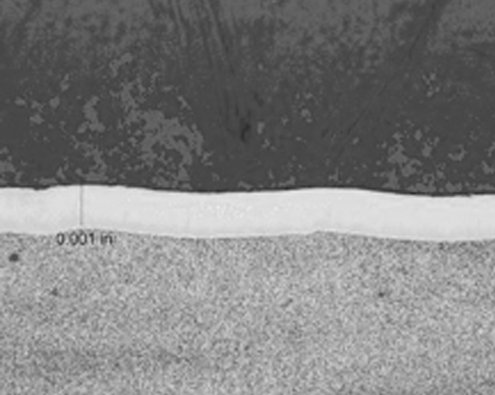
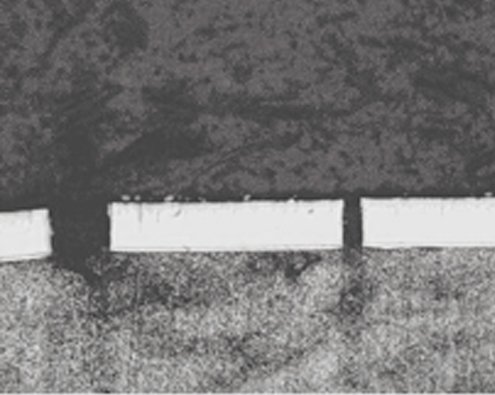
The images below illustrate the Hardide coating’s ability to survive impact as well as significant substrate deformations and shock loads without spalling or cracking.
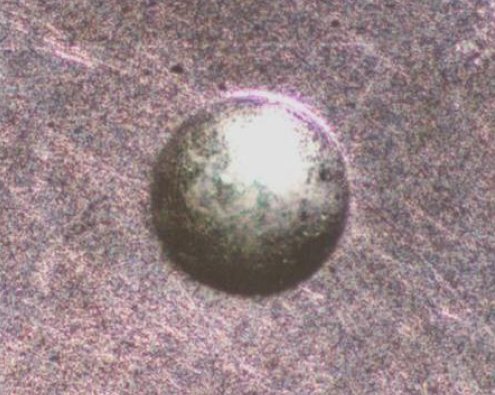
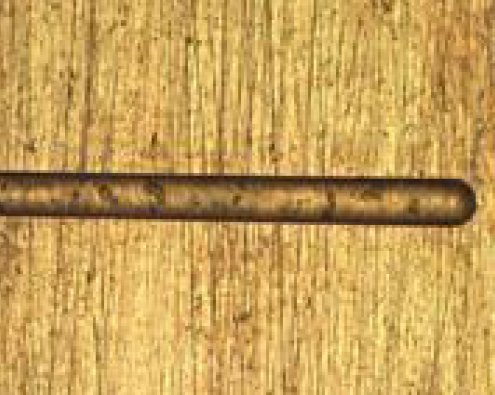
The absence of cracking, chipping or spalling demonstrates the unique toughness and flexibility of the Hardide coating.
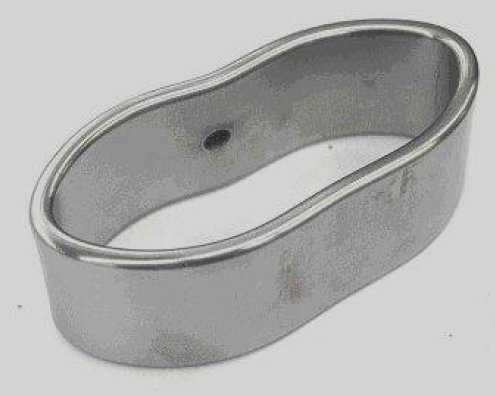
4140 STEEL TEST RING WITH HARDIDE COATING
A steel test ring with 50 microns of Hardide coating was crushed to test coating adhesion and toughness.
Related Resources
Rotating Bend Fatigue Test
Independent testing has proven that the Hardide-A coating improves the fatigue life…
Read More →
Friction Coefficient Test
Hardide coatings have a low dry friction coefficient as proven in the…
Read More →
NACE TM0177 Stress Test
The independent NACE TM0177 tests has proven the resistance of Hardide coating…
Read More →